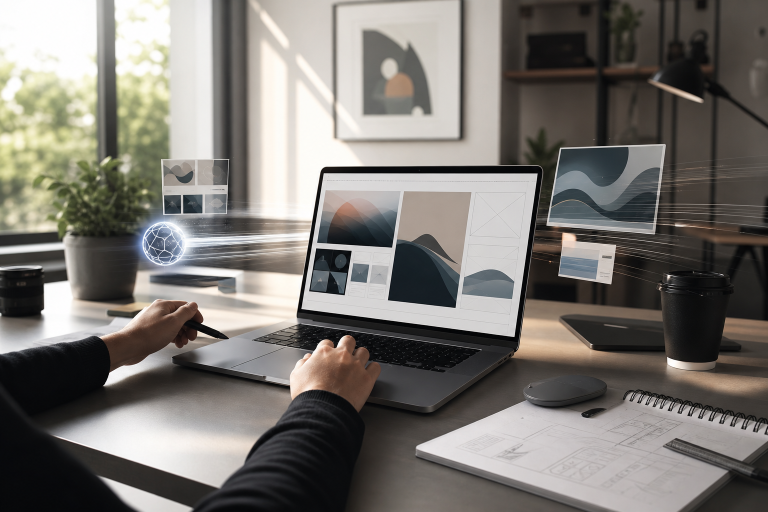
Framer has become one of the most talked-about website tools in 2026, especially among designers who want to move quickly from concept to launch without handing every detail to a developer. The appeal is not just that it looks modern. It is that Framer fits a workflow many teams now prefer: design, prototype, publish, and iterate in one place.
For beginners, that sounds simple. For designers and small teams, it can be a real advantage. But like any website builder, Framer works best when you understand what it is good at, where it can slow you down, and when a different platform may be the better fit.
Why designers are paying attention to Framer in 2026
The biggest reason Framer is trending is that it matches how many modern websites are built now: visually polished, content-led, mobile-friendly, and expected to ship fast. Designers increasingly want tools that reduce handoff friction and let them test ideas without waiting through long development cycles.
Framer is especially attractive for portfolio sites, landing pages, product launches, agency sites, and lightweight marketing pages. Those projects often benefit from speed, animation, and tight design control more than complex backend logic.
What makes the workflow appealing
- Design-first building: teams can shape layouts with a strong visual mindset.
- Fast iteration: changes can be made and published quickly.
- Modern presentation: subtle motion and responsive layouts help sites feel current.
- Less coordination overhead: smaller teams may not need as many separate tools for every simple site.
Where Framer fits in the 2026 website builder conversation
This trend is part of a wider shift in website builders. Designers and small businesses are comparing speed, flexibility, and maintenance more carefully than before. If you want the bigger picture, our website builder trends 2026 overview shows how Framer sits alongside Wix, Webflow, Shopify, Squarespace, and WordPress in the current market.
Framer’s strongest position is not as an all-purpose enterprise platform. It is more often chosen when the priority is a polished web presence that can launch quickly and still feel custom.
Practical use cases for beginners and DIY developers
If you are new to building websites, Framer can be easier to approach than a fully custom stack because you can see results immediately. That makes it useful for learning layout, spacing, responsive design, and content structure.
For DIY developers, the value is different. Framer can help you create a client-ready front end without overengineering the early stage of a project. It is a strong fit when the site needs a clean marketing experience rather than a large content system or advanced app functionality.
Examples include:
- a personal portfolio that needs to look premium on mobile and desktop
- a startup landing page for a product waitlist or launch campaign
- an agency site with motion-rich sections and case studies
- a small business homepage that needs strong visual presentation
Where teams should be cautious
Framer is not automatically the best answer for every site. If your project depends on deep content workflows, complex ecommerce logic, or heavy integrations, you should compare it against platforms designed for those needs. That is where tools like WordPress or Shopify may still be more practical.
Site owners should also think beyond design. Hosting quality, updates, and ongoing maintenance still matter. A beautiful site that loads slowly or breaks after changes will not perform well for long. If you want a broader maintenance perspective, see why hosting alone is not enough for website maintenance.
Expert opinion: what a senior designer looks for
According to Oluwaseun Kolade, Senior Website Designer at Texttot Digital, the appeal of Framer is that it helps designers “keep the creative intent intact from layout to launch” while reducing the number of steps between concept and live page. He also emphasizes that the best tool is the one that matches the business goal, not the trend.
That is a useful reminder. A trending builder should support the outcome you need, not distract from it. If the goal is a sleek campaign site, Framer may be a strong choice. If the goal is a content-heavy business website with long-term operational needs, the better answer may be different.
How to decide if Framer is right for your next project
Use Framer if you want speed, visual quality, and a streamlined design-to-publish workflow. Consider alternatives if your site needs complex publishing roles, advanced ecommerce, or highly customized backend behavior.
A practical decision rule is this: choose Framer when the website is meant to persuade, impress, and convert with a small number of focused pages. Choose a more infrastructure-heavy platform when the site must handle scale, content operations, or complex business logic.
If you are building for a business in a market like Nigeria, it also helps to compare your platform choice with the hosting and support you will actually maintain. Tiwahost’s approach to bundled services can be relevant when you need design, hosting, and upkeep to work together rather than as separate jobs.
Frequently asked questions
Is Framer good for beginners?
Yes, especially if the goal is to learn modern web layout and publish a simple site quickly. It is still important to understand responsive design and content planning.
Is Framer better than WordPress?
Not universally. Framer is often better for visual, marketing-focused sites. WordPress is often stronger for content-heavy sites and broader plugin-driven flexibility.
Can Framer replace a developer?
For some small projects, it can reduce the need for developer involvement. For complex systems, integrations, or custom logic, development expertise is still important.
Conclusion
Framer is trending in 2026 because it reflects where modern web design is heading: faster delivery, cleaner visuals, and fewer barriers between design and launch. For designers, beginners, and DIY builders, that is a compelling combination. The key is to choose it for the right kind of project, not because it is fashionable.
If you are comparing tools for a new website, start with your business goal, content needs, and maintenance capacity. That approach will save time, reduce rework, and help you choose a platform that can grow with you.
For more context, read our Webflow trends 2026 guide and the broader website builder trends 2026 pillar.
Need help planning a site that balances design, performance, and long-term support? Explore the right hosting and website setup before you build.